
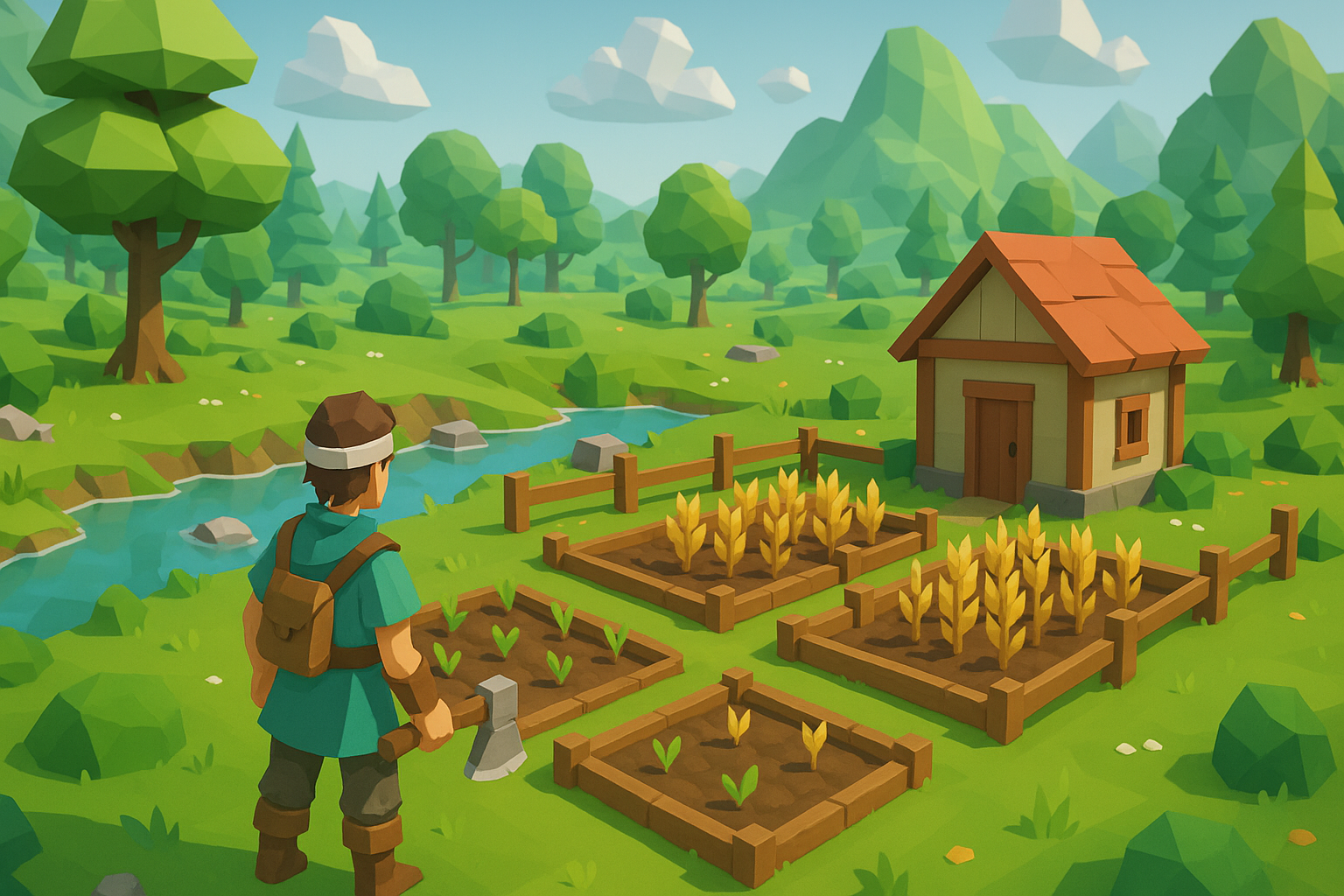
When we think of strategy games like Triberion, it’s easy to get swept away by visions of epic conquests and diplomatic triumphs. However, an often overlooked yet essential aspect of this turn-based 4X game is the intricacy of ecosystem management. As players steer their tribes from humble beginnings to sprawling civilizations, a deep understanding of ecological nuances can pave the way to success, making the game richer and more rewarding.
The Role of Biomes in Strategy
Each procedurally generated map in Triberion is a patchwork of various biomes, from fertile plains to arid deserts. Biomes are not merely aesthetic backdrops; they offer unique resources and challenges. For instance, a jungle tile may teem with resources but requires more effort to develop due to its dense foliage. Conversely, a grassland might be easier to cultivate but offers fewer natural resources. Players must judiciously select which terrains to settle and develop based on their tribe’s strategic goals.
Improving and Exploiting the Land
The richness of Triberion’s gameplay lies in the variety of improvements players can build on their tiles. Farms, mines, and lumber mills are among the numerous enhancements that can transform a tile’s productivity. Yet, each improvement must be carefully balanced with the overall ecological health of the environment. Over-exploitation can lead to diminished resources over time, subtly mirroring real-world consequences of poor resource management.
This dynamic encourages players to weigh short-term gains against long-term sustainability, prompting strategic depth that can be pivotal in achieving victory through means other than sheer domination.
Cultural Influence and Ecological Harmony
As civilizations expand, cultural influence becomes a key factor in winning the game. In triberion, the intertwining of culture and ecology is beautifully executed. Some tribes might find strength in harmonizing their growth with the natural world, enhancing their cultural outputs. For example, a tribe that maintains balanced ecosystems may generate more cultural points, advancing their journey toward a cultural victory.
This compelling interplay highlights how the ecological choices players make can directly impact their tribe’s cultural legacy, demonstrating that managing the environment is crucial for cultural success.
Strategic Alliances and Ecosystem Co-management
Diplomacy, another path to victory in Triberion, can involve negotiated co-management of environmental resources. Forming alliances with neighboring tribes allows for shared use of fertile lands or joint conservation efforts. Such cooperation can lead to enhanced resource yields, fostering mutual growth and setting the stage for a diplomatic win. It’s a reminder of the real-world benefits of international cooperation in ecological stewardship.
In Triberion, the lessons of managing an ecosystem teach players more than just in-game mechanics. They echo broader truths about sustainability and cooperation, adding depth and relevance to the gaming experience.
In conclusion, while Triberion is a thrilling game of strategy, ambition, and development, it also offers players an opportunity to explore the subtler art of ecosystem management. By embracing this aspect, players not only enhance their chances of victory but also engage with a narrative that thoughtfully mirrors the complexities of our real-world environment.